




Introduction
Game-based learning works best when it’s instant. That’s why the gimkit code—a short, host-generated pin you enter before playing—matters so much. With one code, students in New York, Manchester, or Mumbai can jump into the same game in seconds, no accounts required. Teachers love that simplicity too: no messy sign-ups, less classroom downtime, and analytics that help them spot learning gaps on the fly. In this guide, you’ll learn what a gimkit code actually is, how to get one, where to enter it, and how to avoid the errors that trip up first-time users. By the end, you’ll be able to find and use a gimkit code confidently, help others troubleshoot, and keep sessions safe and organized for any time zone or class size.
Read More: Play Gimkit Join
What a gimkit code is and why it matters
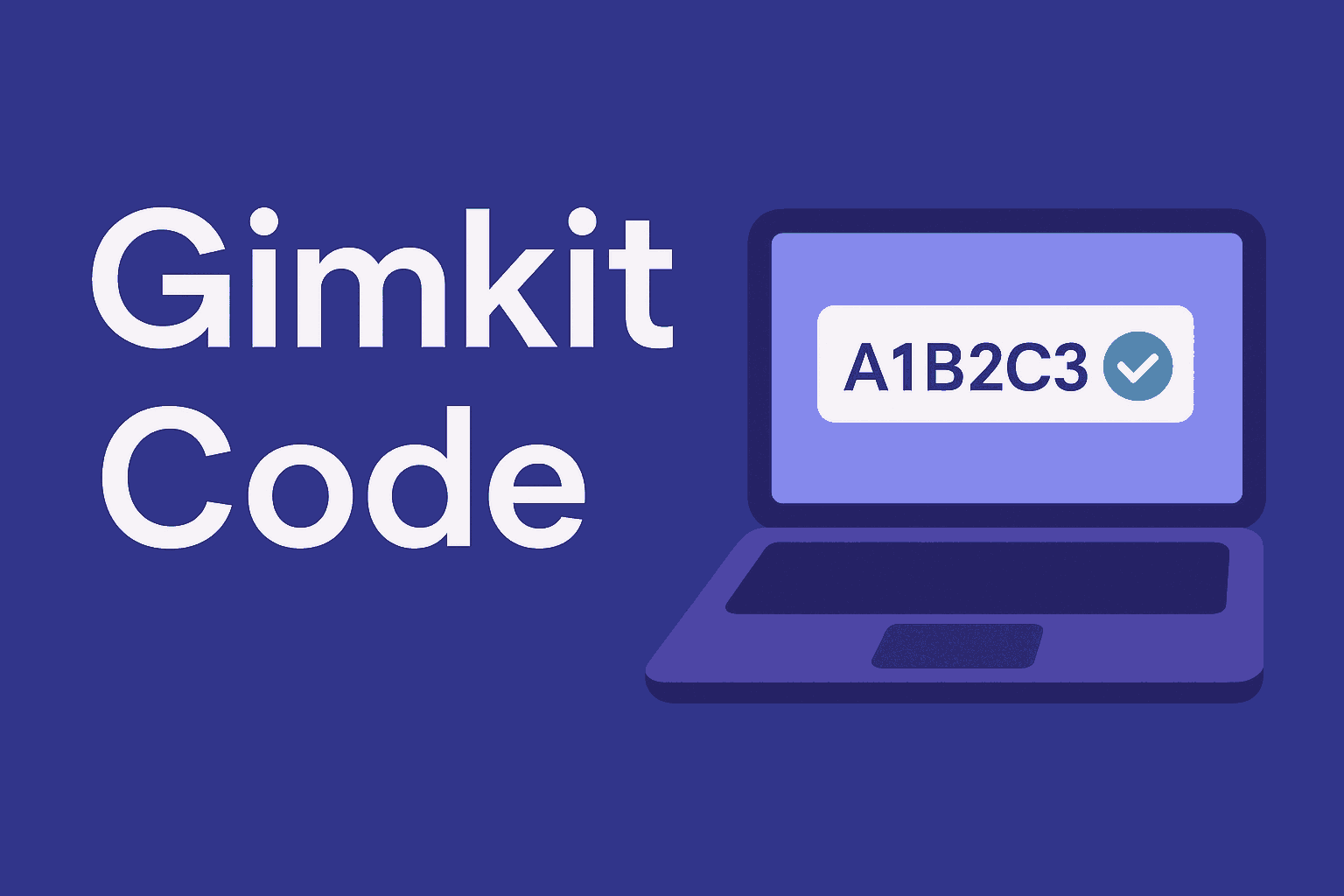
A gimkit code is a short, temporary join pin generated by the game host. Think of it as the front-door key to a specific session. Because the code is unique and time-bound, it ensures only invited participants can enter. This keeps games organized, prevents random drop-ins, and lets teachers connect responses to the right round. The pin ties you to a live lobby: once you enter it and choose a nickname, you appear on the host’s roster until the session starts. Temporary codes are ideal for privacy and pace—when class ends, the code expires, so the same link can’t be reused accidentally next week.
Read More: Join Gimkit Game
Where to find or receive a gimkit code
Only the host (usually a teacher) can generate a gimkit code. You’ll typically get it in one of four ways: projected on the classroom screen, shared in a video-call chat, posted in your LMS (Google Classroom, Canvas, Microsoft Teams), or sent via a quick message or email. If you’re a student, avoid guessing or asking strangers online—codes are session-specific, and trying random pins wastes time and can breach class norms. If you’re a teacher, share the code in places your learners already check and always include a short reminder: where to enter it, the time you’ll start, and whether late entries are allowed.
Read More Topics: Gimkit Live for Teachers and students
Step-by-step: how to join with a gimkit code
- Open your browser on phone, tablet, Chromebook, Mac, or PC.
- Go to the official join page and wait for the prompt.
- Enter the gimkit code exactly as shown—don’t swap characters or add spaces.
- Choose a school-appropriate nickname; confirm it appears in the lobby list.
- Watch the lobby for host prompts: team assignments, sound checks, or game rules.
- When the host starts, your first question appears immediately—answer and earn.
If your device refreshes or your Wi-Fi blips, re-enter the same gimkit code to return, provided the session is still running and late joins are allowed. Tip for mobile users: disable battery saver or low-power modes during play; they can throttle performance and cause disconnects mid-question.
Read More About: Gimkit Hacks for School
Troubleshooting common gimkit code errors
Most access problems come from small missteps. If you see “invalid code”, compare every character—O vs 0 and l vs 1 fool lots of learners. If you get “session ended”, the host closed the game; you’ll need a new gimkit code. Stuck on a loading spinner? Switch networks (Wi-Fi ↔ mobile data), clear a tab-heavy browser, or reopen the join page. If you’re bounced for late join disabled, message the host to unlock entries or wait for the next round. For classrooms with content filters, ask IT to allow real-time quiz traffic for the join page. Finally, if your nickname keeps disappearing, your browser may be clearing session storage—try a different browser or turn off aggressive privacy extensions for the site during the game.
Read More Blog: Gimkit Hacks for Chromebook
Teacher best practices for managing codes
Before class, open the set you’ll play and generate the gimkit code a few minutes early to reduce rush. Display the pin in large type on the board and paste it into your call or LMS. Keep a timer running so everyone knows when you’ll lock entries. In mixed-age or public events, remind students not to post the pin on social media; unexpected guests can drain time and skew results. For big groups, consider team modes and enable nickname moderation. If a student disconnects, keep the gimkit code visible a little longer so they can rejoin without interrupting you. After the game, archive results, then end the session so the pin expires and can’t be reused by mistake in a later class.
Read More Topic: Gimkit Alternatives
Student etiquette, safety, and accessibility
Treat the gimkit code like a classroom invite—share only with classmates or the group your teacher specifies. Choose a respectful nickname and keep chat behavior on task if the mode allows communication. For accessibility, use devices with readable screens and turn on captions or screen-reader support where available; adjust zoom to 110–125% if text feels tight. Headphones reduce distractions in busy rooms. If you have bandwidth limits, close video calls or streaming apps during play; the gimkit code gets you in quickly, but stable connectivity keeps you competitive. Finally, keep a water bottle nearby and rest your eyes between rounds—fast-paced quizzes are exciting, but short breaks help focus and recall.
Read More Blogs: Gimkit Creative
Global setup tips: time zones, devices, and bandwidth
Because learners join from around the world, plan for time zones and connectivity. When scheduling, include the start time in UTC and local time; post the gimkit code five minutes early to absorb late arrivals. Chromebooks and phones work fine, but wired or strong Wi-Fi is best. If your group has uneven bandwidth, pick slower pacing or modes that minimize rapid refresh. For multilingual cohorts, label your slides with simple icons—“Enter code,” “Choose name,” “Wait to start.” That visual clarity means fewer verbal repeats and more play. Keep the gimkit code on screen during the countdown so anyone who refreshes can rejoin without asking in chat.
Read More: How to Access Don’t Look Down in Creative Mode
Smart integrations and session hygiene
Pair your gimkit code with existing tools. In Google Classroom or Teams, post the pin, the topic covered, and the due date for a practice run. After the round, export results and tag skills or standards for quick reteach. Build a habit of closing lobbies as soon as you finish, regenerating a fresh gimkit code for the next class so performance data stays clean. Rotate student “helpers” who read the pin aloud and verify that everyone appears in the lobby—this simple ritual cuts downtime and boosts ownership. For parent nights or clubs, create a slide with “How to join,” “Today’s pin,” and “Nickname rules” to keep events smooth and fun.
Read More About: Gimkit Cheats
Conclusion
A small detail powers a big experience. The gimkit code turns any lesson into a live, low-friction game that’s easy to join and simple to manage. For students, it’s the fastest route from “I’m here” to “I’m playing,” no account hoops required. For teachers, it’s a reliable gate that protects sessions, keeps rosters tidy, and helps you focus on instruction—not tech wrangling. Use clear sharing habits, keep the pin visible until you lock entries, and have a quick fix list ready for common errors like invalid or expired codes. Plan for global realities—mixed devices, varied bandwidth, and time zones—by posting the gimkit code early, pacing sensibly, and using short visual instructions. Integrate with your LMS to track progress and close lobbies promptly so each class starts fresh. Do these small things consistently and your game-based learning will feel seamless, inclusive, and genuinely productive. The next time you want energy, focus, and instant feedback, generate a gimkit code, share it smartly, and let the learning begin.
Read More: Gimkit Bots
FAQs
What exactly is a gimkit code and who creates it?
A gimkit code is a short, temporary join pin that connects players to one specific live game. Only the host—usually a teacher—creates it when launching a session. Because the code is unique and expires after the round, it keeps access limited to invited players. You enter the code on the join page, pick a nickname, and appear in the lobby. Once the host starts, you’re in the game. If the host ends the session, the code stops working and you’ll need a new one for future play.
Do I need an account to join with a gimkit code?
No account is required just to participate. The code itself grants temporary access to the live lobby, so students can join quickly on any modern device. That said, teachers or hosts do sign in to create sessions, manage modes, and view reports. Skipping accounts for players saves time, reduces password issues, and makes it easier for mixed-device classes or one-off events to jump right in.
Why does my gimkit code say “invalid” or “expired”?
“Invalid” usually means a mistyped character—check confusing pairs like O/0 and l/1. “Expired” shows when the host closed the lobby or the session timed out. If you refreshed your browser or switched networks, try re-entering the same gimkit code while the game is still open. If late joins are locked, the host needs to allow entries or share a new pin for the next round.
How should teachers share a gimkit code securely?
Share it only with your class—project it on screen, paste it in your call chat, or post it in your LMS where access is limited. Avoid public social posts that can invite unplanned guests. Set nickname rules, lock the lobby once everyone’s in, and end the session promptly so the gimkit code can’t be reused later. These habits keep games orderly and protect student privacy.
What if my connection drops after entering the gimkit code?
If your connection blips, reopen the join page and re-enter the same gimkit code to return—assuming the session is still active and late joins are allowed. Close heavy apps, disable battery saver, and switch networks if needed. For persistent issues, try another browser, update your OS, or move closer to your router. Hosts can pause briefly to let disconnected players rejoin without missing questions.